Unlock the White House Watch newsletter for free
Your guide to what Trump’s second term means for Washington, business and the world
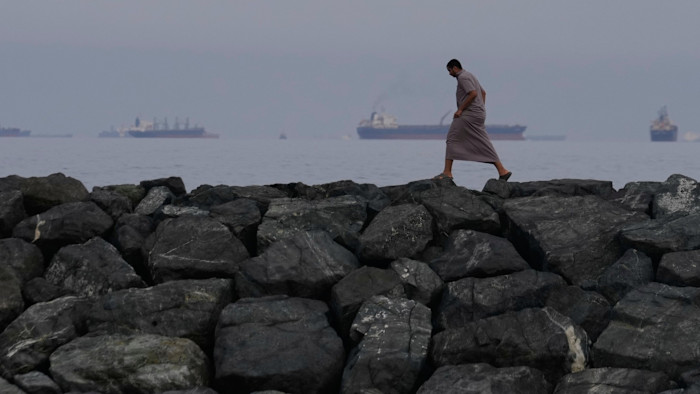
Wall Street has warned oil prices will ratchet sharply higher as the US war in Iran and protracted shutdown of the Strait of Hormuz chokes off exports from the Middle East for months.
Traders and analysts on Friday said there was little sign of a speedy resolution to the conflict, which has roiled markets and sent the price of Brent crude above $100 a barrel. The supply crunch would soon leave the market short of transport fuels and other products, they added, as the crisis cascades into the wider economy.
Natasha Kaneva, analyst at JPMorgan, said in a note: “By the end of next week we expect crude supply cuts to approach 12mn barrels per day, making the deficit highly visible across physical markets.”
“The market is facing an acute shortage of products — diesel, jet fuel, [liquid petroleum gas] and naphtha — that cannot be consumed simply because they are not available.”
RBC Capital Markets said it expected oil prices to exceed the $128 high hit just weeks after Russia launched its full-scale invasion of Ukraine in 2022 and top the 2008 record high of about $147.
“We are revising our estimated run time for the Iran war and the concurrent oil price impacts,” said Helima Croft, RBC’s head of global commodities. The conflict could last “well into the spring”, she added.
Goldman Sachs estimates flows through the Strait of Hormuz have dropped to 600,000 barrels per day, down from normal levels above 19mn — close to total US petroleum production.
The warnings come as the war enters its third week, with US President Donald Trump saying Washington had “unlimited ammunition” and could keep fighting against Iran “forever”.
Tehran has retaliated by launching strikes on energy infrastructure across the Gulf and by effectively shutting the Strait of Hormuz, the narrow waterway through which a fifth of oil and liquefied natural gas supply normally flows.
An Iranian drone strike on Friday prompted chaos in Dubai’s financial district, while European countries sought to open negotiations with Tehran to restart flows through the strait.
“Shutting the Strait of Hormuz is supposed to be the oil apocalypse,” said Jim Krane at Rice University’s Baker Institute. “It could just get so much worse than it is now.”
Brent crude, the international oil benchmark, has surged about 40 per cent since Trump launched the war. Prices of everything from jet fuel to diesel have soared in Asia, Europe and North America. US petrol prices hit $3.63 a gallon on Friday, closing in on the crucial $4 threshold after 13 straight days of gains.
JPMorgan said the oil market was feeling the physical impact of the supply disruption caused by closure of the strait, despite efforts by Washington and its allies to prevent an economically damaging crisis.
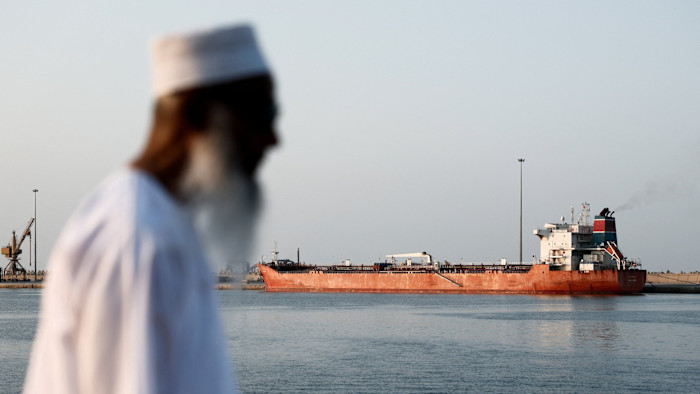
The Trump administration has tried to soothe markets by proposing naval escorts and emergency insurance for tankers sailing through the strait, as well as removing sanctions on Russian oil and joining other G7 countries in a record release of crude from strategic reserves.
But Iran’s new supreme leader, Mojtaba Khamenei, issued a defiant message on Thursday, declaring the nation’s military would keep the strait closed as he seeks to build leverage against the US and Israel. Tehran has warned the world to prepare for $200 oil.
“The new supreme leader appears in no mood to negotiate until he’s extracted a heavier price to re-establish deterrence,” said Daleep Singh, who served as deputy national security adviser for international economics in Joe Biden’s administration.
Countries across Asia are among the hardest hit by the supply disruptions because they rely on energy and other imports through the strait. Australia on Friday said it would release domestic fuel reserves to counter any supply shortages and panic buying.
“Higher energy prices will start to affect consumer behaviour,” said Ben Cahill, senior associate at the Center for Strategic and International Studies. “People will opt out of some discretionary travel, whether by air or road.”