Unlock the Editor’s Digest for free
Roula Khalaf, Editor of the FT, selects her favourite stories in this weekly newsletter.
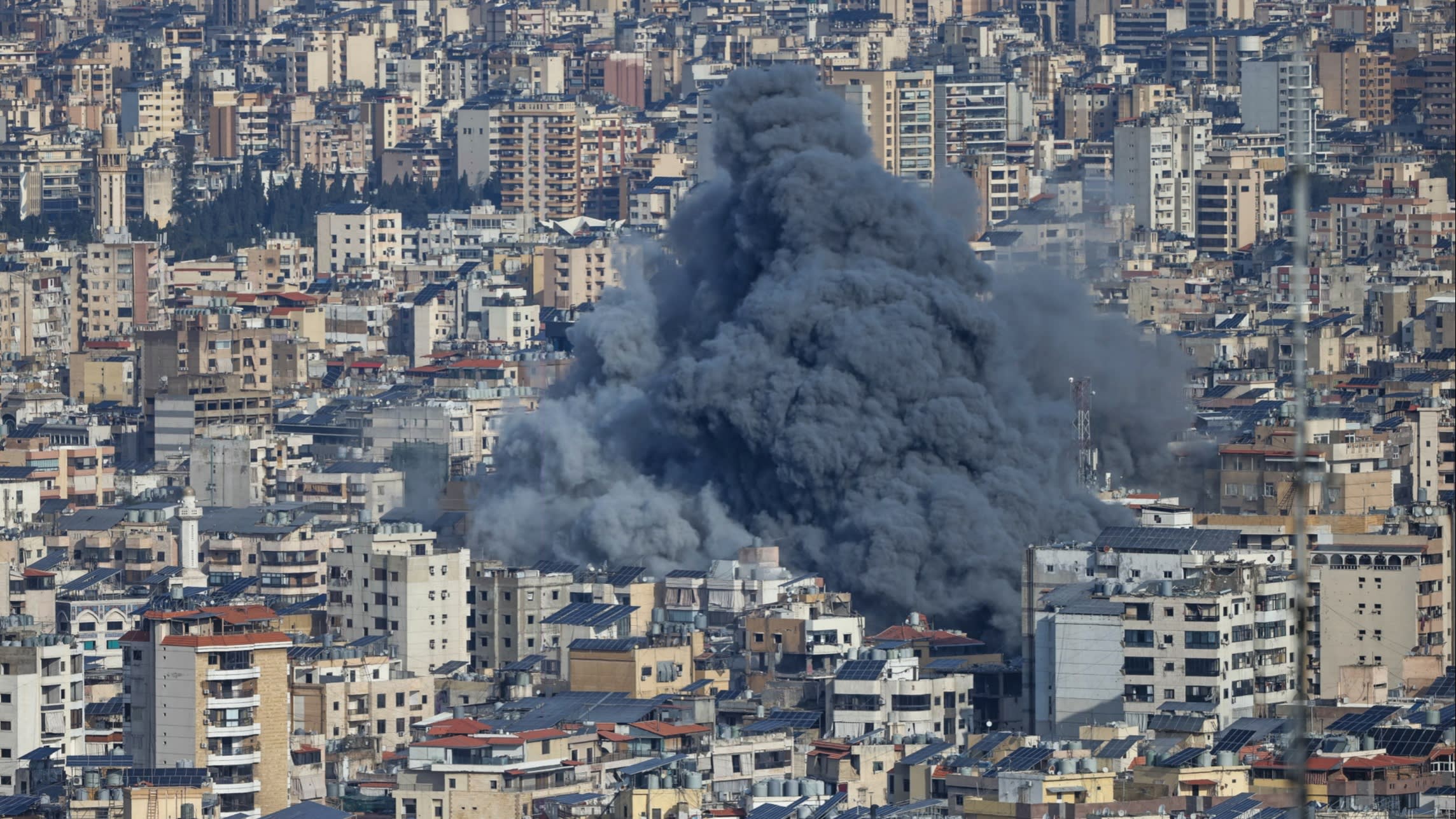
The war in Iran has caused smelter closures and “force majeure” declarations across the aluminium industry in the Middle East, threatening a supply crunch in the key industrial metal with global stocks already close to historic lows.
Several big producers have declared they are no longer able to honour their contracts, including Aluminium Bahrain (Alba), one of the world’s biggest smelters, and Norsk Hydro, which jointly operates the Qatalum smelter with Qatar Aluminium Manufacturing Company.
The Qatalum smelter started a controlled shutdown this week after its gas supplier Qatar Energy said it could no longer provide gas to the plant. Norsk Hydro said a full restart could take six to 12 months.
The Alba smelter, which declared force majeure on Wednesday, ranks among the largest in the world and produced 1.6mn tonnes of aluminium last year.
“The combination of Gulf smelter outages and shipping paralysis has created the most acute supply event since the Russia‑Ukraine disruptions,” said Neil Welsh, head of metals at brokerage Britannia Global Markets.
“The key question now is whether the aluminium shock remains contained or becomes the catalyst for a broader re‑pricing across the base metals complex.”
The Middle East accounts for almost 10 per cent of global refined aluminium production, with major smelters in Bahrain, Qatar and the United Arab Emirates. Europe and the US are big importers of aluminium from the region.
Ewa Manthey, commodities strategist at ING, said the aluminium market was already “structurally tight” before the Iran conflict and noted that Gulf producers were heavily reliant on uninterrupted shipping for refined metal exports and for imports of raw materials.
“Our view is that . . . the longer logistics, insurance and port access remain impaired, the greater the chance that delays become real supply loss, even without further headline curtailments,” she said.
Max Layton, analyst at Citi, said aluminium prices on the London Metal Exchange could rise as high as $4,000 a tonne from $3,322 today if the disruption continues. The London benchmark price is already at its highest level since 2022.
He said instability in the production process leading to multi-month delays “introduces a prolonged supply risk”.
Aluminium prices have already been rising in recent months before the war, thanks in part to US import tariffs and concerns about tightening global supply.
Stocks of aluminium in domestic US Comex warehouses are near record lows, with stocks in the London Metal Exchange warehouse network in Europe and Asia also close to historic lows, according to Refinitiv data.

US tariffs have driven the US regional price to a series of record highs and prompted concerns that Canadian producers may look for other buyers, including in Europe.
“Looking to the US, with 50 per cent tariffs already in place, any reduced supply from the Middle East will likely result in further inventory drawdowns, again increasing regional premiums and near-term volatility,” said StoneX analyst Natalie Scott-Gray.
Analysts said before the US-Israeli attack on Iran that the aluminium market was expected to be broadly balanced this year, while noting it was tightening.
One driver of that is the dynamic in China: Chinese aluminium producers dominate the global market but are contending with a domestic production cap imposed by Beijing in 2017, even as demand in the Asian nation rises.