Ayatollah Ali Khamenei’s son Mojtaba has emerged as a leading candidate to replace his slain father as Iran’s supreme leader, with regime loyalists backing him for the position hours after top clerics met to choose a successor.
Iran’s semi-official Mehr news agency on Wednesday cited Ahmad Khatami, a member of the Assembly of Experts, as saying: “Leadership options have been identified and we are close to selecting the leader.”
Fars news agency, which is close to the powerful Islamic Revolutionary Guard Corps, said that the decision to choose the next leader was likely to happen next week.
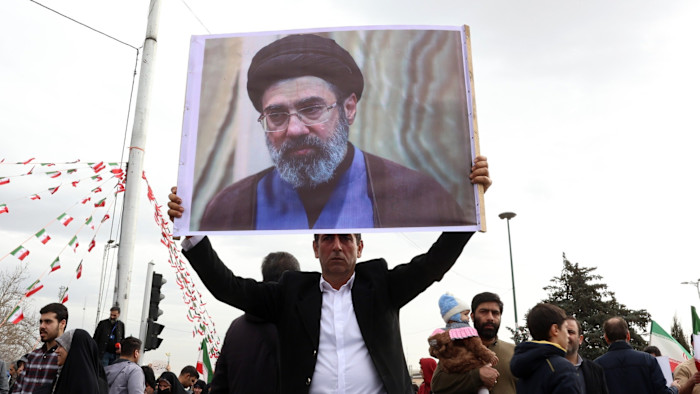
But after members of the Assembly of Experts, the clerical body that selects the supreme leader, held an online meeting on Tuesday, regime loyalists took to social media to promote Mojtaba as the chosen successor.
Hatef Salehi, a journalist with links to the political establishment, published a photo of Mojtaba on X and called in Arabic for God to save “our leader Imam Khamenei”.
A relative of Khamenei told the FT: “It is not yet definite, but his chances are very high.”
“The sessions are held online. They are discussing and are almost in the final phases of decision-making,” he added. Mojtaba, he said, was “slightly ahead”.
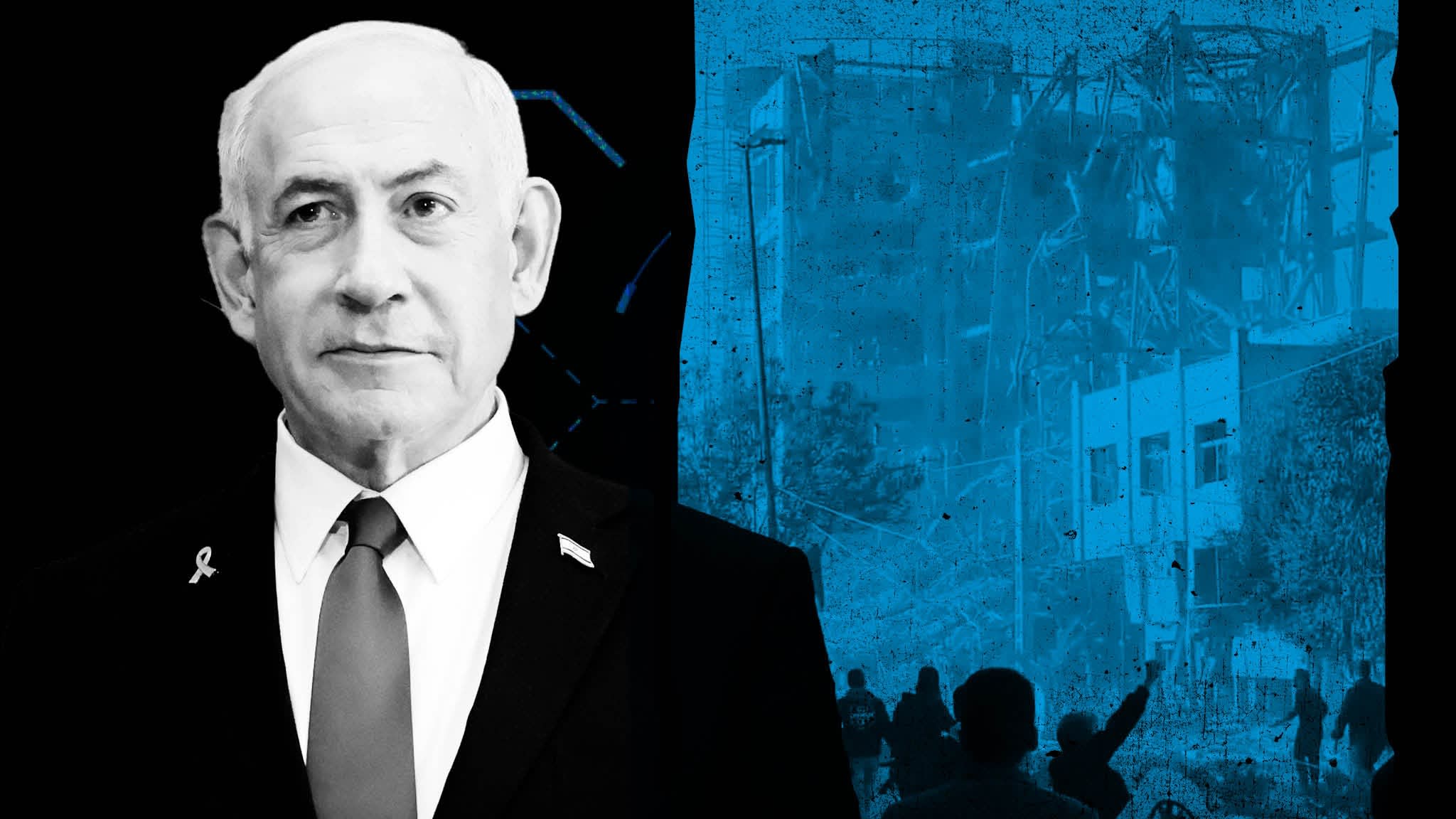
The touting of Mojtaba as a potential successor came as the Middle East conflict entered its fifth day, with Israel launching an “extensive” wave of attacks on Tehran and on Hizbollah in Lebanon, and Iran continuing its retaliatory attacks.
Israeli defence minister Israel Katz said on X on Wednesday that every new leader “will be an unequivocal target for elimination” and that it “does not matter what his name is or the place where he hides”.
Israel bombed the Assembly of Experts building in Qom on Tuesday, but Iranian news agencies said the building was empty.
Mojtaba’s fate and whereabouts have not been known since his father, who had ruled Iran since 1989, as well as his mother, wife, sister, brother-in-law and niece, were killed in US and Israel air strikes on the supreme leader’s compound on Saturday.
Mojtaba, who has cultivated close ties with the powerful Revolutionary Guards, kept a low profile before the conflict.
The 56-year-old has been widely viewed within Iranian political circles as a potential successor for nearly two decades, although his exact political role has never been formally explained.
Some Iranian analysts have previously speculated that if Mojtaba did succeed his father, he could implement extensive reforms in close co-operation with the Revolutionary Guards, but there is no indication of what his policies would be if he assumed power.

Others, however, have said that if he did become supreme leader it would mark a return to Iran’s history of dynastic politics and that he would pursue his father’s vision — meaning he would be less likely to usher in the change that many Iranians want to end the republic’s perennial crises.
“His main weakness is his family name,” said one reformist analyst. “Otherwise, he is better than other potential candidates. He has been at the heart of the country’s affairs for decades.”
Sanam Vakil, Middle East director at Chatham House, said that other candidates could still be under consideration within Iran’s opaque and complex political system, which has competing factions.
“He’s re-emerged as the candidate under consideration. I think the regime will have to fight this out. I didn’t think he was on the short list before, because of the nature of republic not being a hereditary system,” she said.
“It undermines the ideological nature underpinning the regime. If he’s selected, it’s because of the conditions right now. People are vying for positions, it’s more open than it looks,” she added.
Other contenders include Alireza Arafi, a senior cleric who is part of a three-member interim leadership council appointed after Khamenei’s killing, and Hassan Khomeini, the grandson of the founder of the Islamic republic, analysts say.
Vakil said that appointing a supreme leader now was “fraught with risk; they immediately become a target”.
The US and Israel have killed several senior Iranian officials and commanders since launching the war. US President Donald Trump told reporters on Tuesday that “49 people were taken out in the first hit” on Saturday.
He added that there was “another hit [on Tuesday] on a new leadership and it looks like that was pretty substantial also”, in what appeared to be a reference to Israel’s strike on the holy city of Qom.
Trump said this week that the administration had identified possible postwar leaders but said the US-Israeli bombardment on Saturday had “knocked out most of the candidates”.
“It’s not going to be anybody that we were thinking of because they are all dead. Second or third place is dead,” he told ABC.
Fars news agency, quoting an unnamed official, said the next session of the Assembly of Experts, which has 88 clerics as its members, would take place next week “under the highest levels of security”. This, it added, would be after the processions and funeral for Khamenei.