Stay informed with free updates
Simply sign up to the War in Ukraine myFT Digest — delivered directly to your inbox.
Volodymyr Zelenskyy has asked European countries whether they “collectively decided” to restore Russian oil exports, as Kyiv has come under pressure to restart a pipeline in order for a €90bn EU loan to Kyiv to be unblocked.
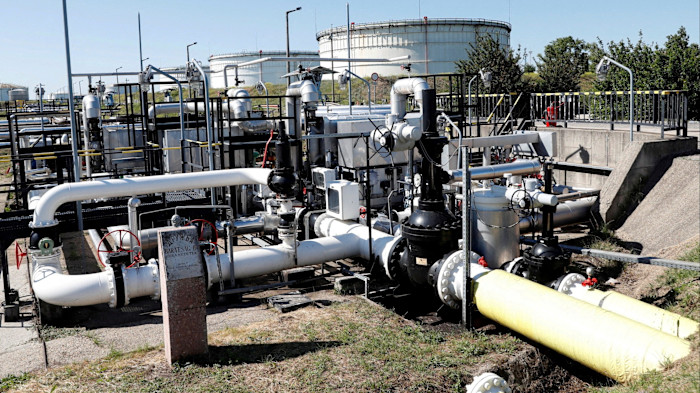
The Russia-friendly governments of Hungary and Slovakia have been holding up the loan, arguing that the Ukrainian president has been refusing to repair the Druzhba pipeline, which is critical to their energy supplies and was hit by Russian strikes in January.
Speaking to reporters on Saturday, Zelenskyy said he told France’s President Emmanuel Macron that pipeline repairs were “the second question”. “The first question is whether everyone has collectively decided to restore exports of Russian oil,” Zelenskyy said.
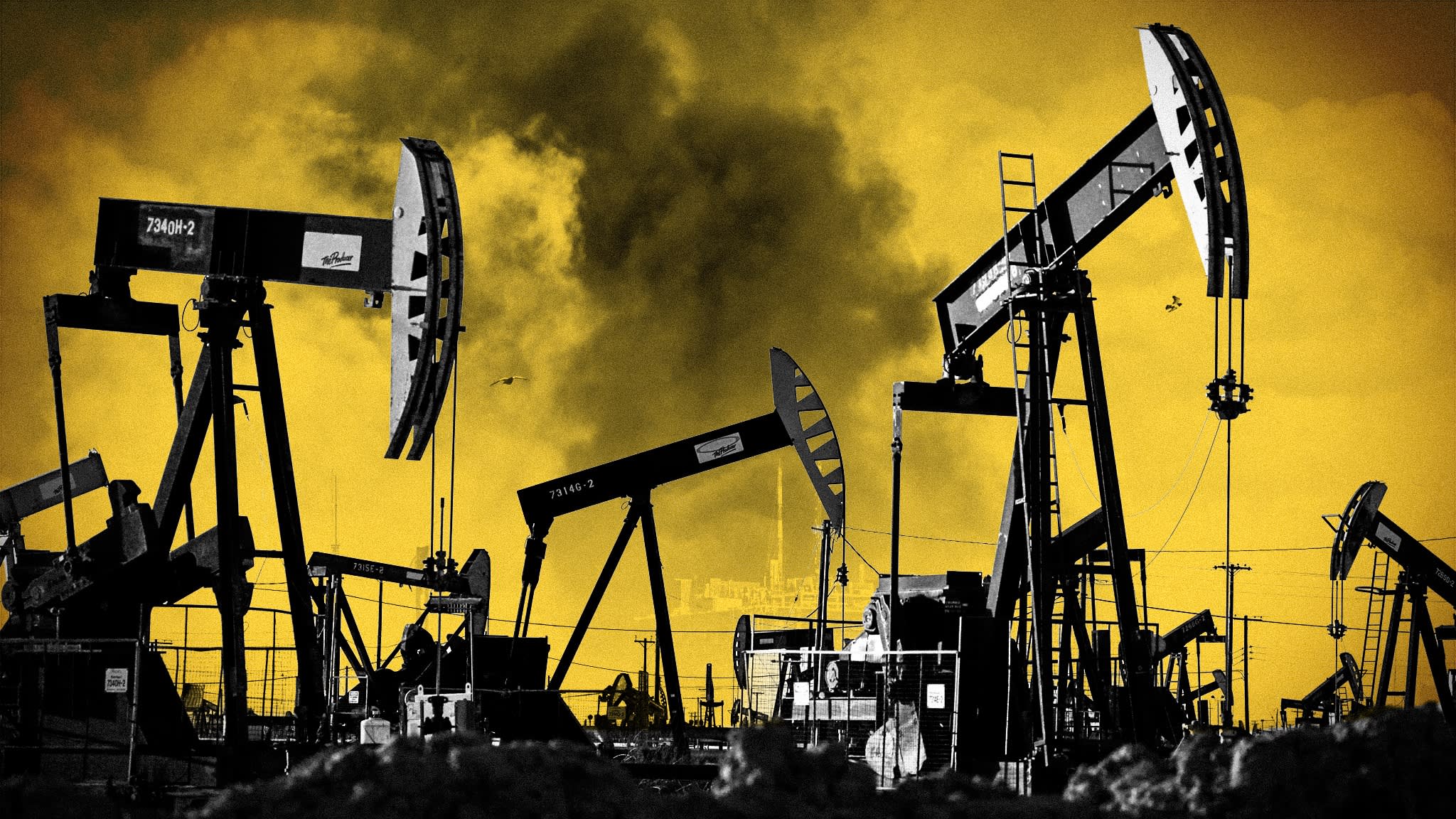
His comments come after the US temporarily relaxed its sanctions on Russia and allowed buyers such as India to purchase Russian oil, in an attempt to mitigate a surge in oil prices prompted by the Iran war.
The energy crisis has increased pressure on Europe to pause its efforts to fully decouple from Russian fossil fuel imports. Hungary and Slovakia, which had long advocated to keep the flow of cheap Russian oil and gas, have now redoubled their efforts to get Druzhba back online.
Hungary’s Prime Minister Viktor Orbán, who has put his animosity towards Zelenskyy and Brussels at the centre of his campaigning ahead of elections next month, has vowed to veto a €90bn EU loan for Kyiv as long as Druzhba remains offline.
Budapest argues that the pipeline could be restarted quickly but has not provided evidence to back up its claims. Slovakia’s Prime Minister Robert Fico has made similar claims and demanded that oil starts flowing through Druzhba as a condition to authorise the loan.
Both countries have demanded to send a “fact-finding mission” to the pipeline, a request supported by the European Commission. Kyiv has faced criticism for its apparent reluctance to allow the EU inspectors in.
Hungary and Slovakia are also blocking the EU’s latest package of sanctions against Russia, including a proposed total ban on maritime services for Russian oil.
State gas company Naftogaz said it had briefed 31 embassies, including Hungary’s, showing them evidence of the attack and “technical information” about the current state of the pipeline.
“We have already provided our partners with technical information about the consequences of this strike, and during this meeting we were able to show more detailed materials from the site of the attack and explain the challenges our specialists are facing,” said Naftogaz chief executive Sergii Koretskyi.
Zelenskyy on Saturday said he could relent if the EU insisted, for fear of having to redirect funds from the army as Russian forces gear up for a spring offensive. “I cannot leave the army without weapons,” he said.
The Ukrainian non-military budget is mainly covered by the EU and the IMF. Failure to approve the EU loan in coming months would put Kyiv in a precarious financial situation, even after it secured an IMF loan of $8.1bn late last month from the IMF, with a first $1.5bn tranche expected in coming weeks.
Zelenskyy spoke after waves of more than 400 long-range Russian drones and 68 missiles targeted energy infrastructure in the Kyiv region, killing at least five people.
Additional reporting by Marton Dunai in Budapest