
Stay informed with free updates
Simply sign up to the Capital markets myFT Digest — delivered directly to your inbox.
Citadel and ExodusPoint are among the big-name hedge funds to have been stung by the market fallout from war in the Middle East, which has sparked a huge surge in energy prices and a sharp bond sell-off.
The flagship Wellington fund at Ken Griffin’s Citadel lost 2 per cent last week, according to people familiar with the figures, who said the fund remains marginally higher so far this year. ExodusPoint, the fixed income-focused, multi-manager hedge fund run by Michael Gelband, also lost 2 per cent last week, wiping out its gains for the year, people familiar with the figures said.
Izzy Englander’s Millennium Management lost 1.2 per cent last week, according to a person who had seen the numbers.
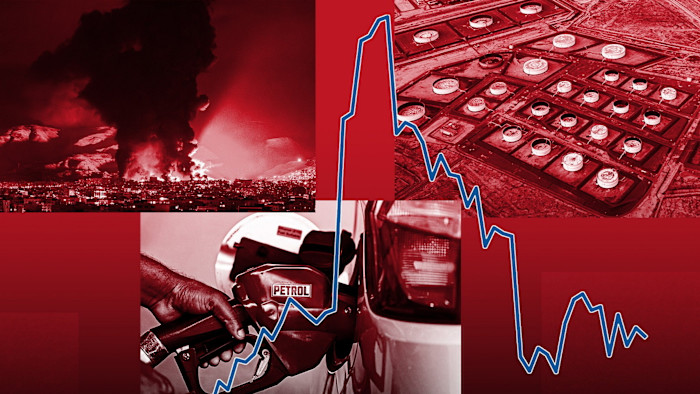
Traders have had to contend with extreme volatility in markets since the US and Israel struck Iran at the end of last month. Surging oil prices from the war sparked a bond market sell-off last week that was particularly painful for investors with bullish positions in short-term government debt. Some of those moves have reversed this week, as the benchmark Brent crude price dropped from a high of $119 a barrel to $84 within just 24 hours on Monday.
“It’s widespread ugliness,” said one portfolio manager who focuses on macro trades. “The vibe is very negative.” He added that Wall Street believed US President Donald Trump would “drop a few bombs” and then exit the conflict. “But it’s gotten far uglier than people thought.”
Multi-manager firms have been among the most lucrative in the hedge fund industry in recent years, with hundreds of trading teams called “pods” trading various asset classes, including equities, bonds and commodities. These hedge funds often manage tens of billions of dollars, and their performance can ricochet through the broader market if they are forced to sell positions.
Citadel, ExodusPoint and Millennium all declined to comment.
Worries over a jump in inflation forced the market to rapidly scale back its expectations for further interest cuts from the Bank of England and the European Central Bank.
Traders are now expecting a quarter-point rate rise from the ECB this year, when they had previously priced in the possibility of a cut. German two-year bond yields rose 0.3 percentage points last week to more than 2.3 per cent, the biggest weekly jump in yield in almost two years, before falling slightly this week.
Short-term bond yields narrowed the gap with long-term yields in a so-called flattening of the yield curve on government debt, upending popular “steepener” trades that had positioned for the gap to widen.
Market participants described “stop outs” in euro and sterling interest rate markets, as investors were forced to exit lossmaking positions. “Volatility was spectacularly low going into this,” said another macro trader, which they said had “encouraged excessive risk-taking” among hedge funds in their bets on rate cuts.
Additional reporting by Leslie Hook. Data visualisation by Ray Douglas