Paris Agreement’s carbon credits enable cross-border trade to support emissions reduction and climate goals worldwide.
Published On 26 Feb 2026
The United Nations has approved the first credits to be issued under a carbon market established by the Paris climate accord, aimed at reducing emissions – a mechanism that has faced scrutiny over greenwashing concerns.
The UN-run market allows companies and countries to offset their excess emissions by financing projects that cut greenhouse gases in other nations.
Recommended Stories
list of 3 itemsend of list
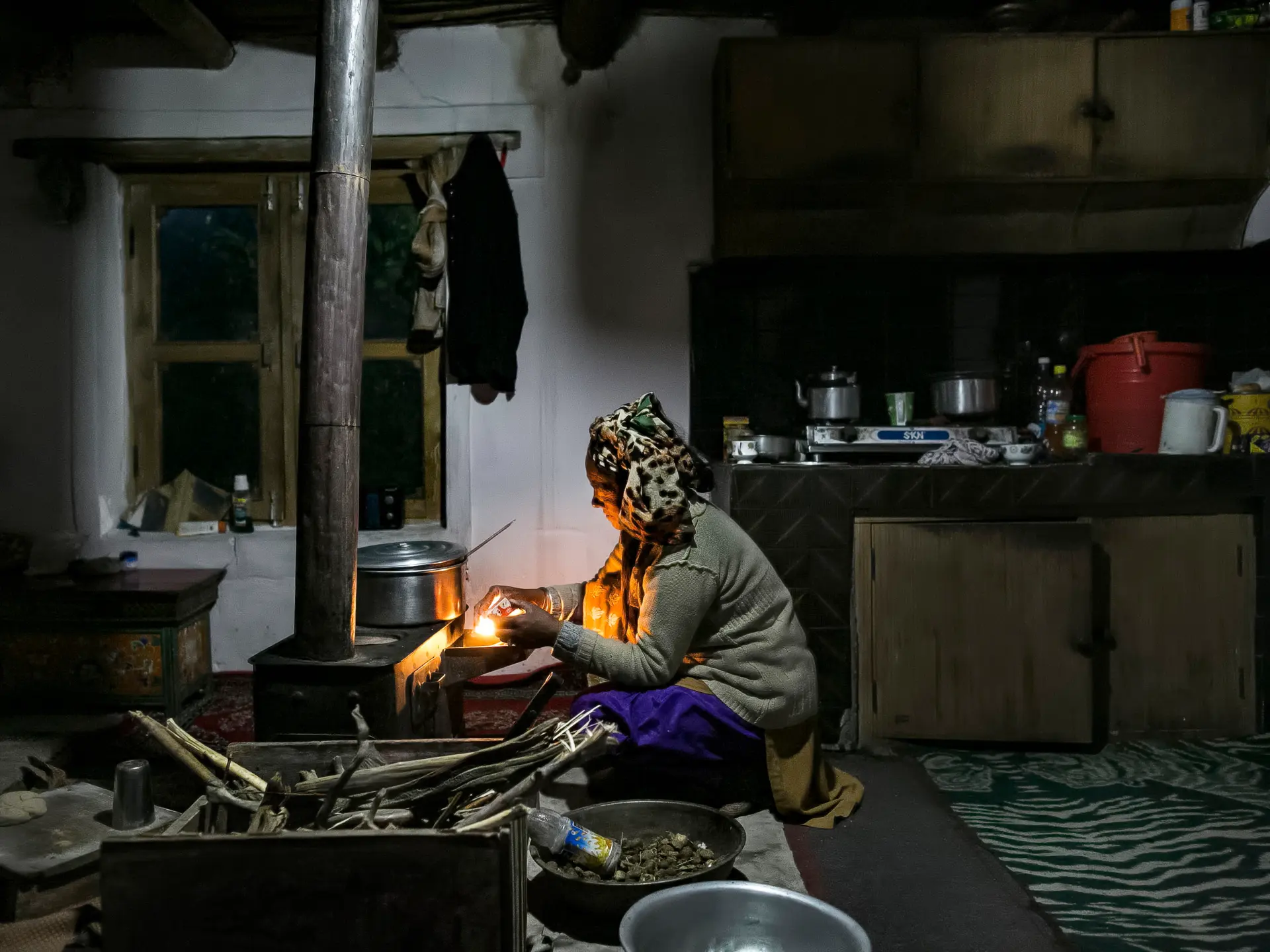
The UN Climate Change announced on Thursday that the new initiative involves a clean cooking project in Myanmar, which distributes efficient cookstoves that reduce pressure on local forests. Implemented in partnership with a South Korean company, the project will generate credits that will count towards the climate targets of South Korea and Myanmar.
“Over two billion people globally are without access to clean cooking, which kills millions every year. Clean cooking protects health, saves forests, cuts emissions and helps empower women and girls, who are typically hardest hit by household air pollution,” UN Climate Change Executive Secretary Simon Stiell said in a statement.
The new mechanism “can support solutions that make a big difference in people’s daily lives, as well as channelling finance to where it delivers real-life benefits on the ground”, Stiell added.
But some critics fear that, if set up poorly, such schemes can undermine the world’s efforts to curb global warming by allowing countries or companies to greenwash – or overstate – their emissions reductions.
The UN climate agency said the credited emissions reductions are 40 percent lower than under a previous scheme, as more conservative calculations are applied under the new Paris Agreement Crediting Mechanism (PACM).
“Our focus is on building confidence in this market from the outset, and this first issuance shows that the system is working as intended,” Jacqui Ruesga, vice chair of the UN body supervising the PACM, said in a statement.
The stoves in the Myanmar project burn woody biomass more efficiently, meaning they need less fuel and emit far less smoke inside the home. But at current rates, only 78 percent of the population is expected to have access to clean cooking by 2030, the World Health Organization said.
The 2015 Paris Agreement, which commits the world to limiting warming to well below 2C (3.6F) and ideally at 1.5C (2.7F), also envisaged that countries could take part in cross-border trade of carbon reductions.
New rules were agreed at the UN’s COP29 climate summit in Azerbaijan in 2024 for the carbon market mechanism. At the time, Greenpeace said the agreement left loopholes that would allow fossil fuel companies to continue polluting. But other environmentalists said that, while not perfect, it provided some clarity that was absent from global efforts to regulate carbon credits.