Unlock the Editor’s Digest for free
Roula Khalaf, Editor of the FT, selects her favourite stories in this weekly newsletter.
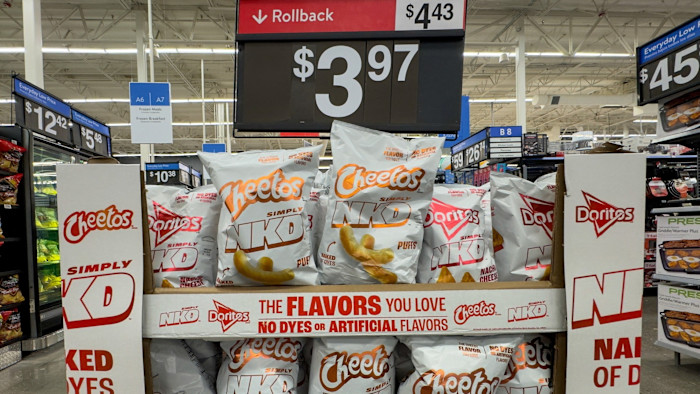
PepsiCo plans to lower prices for its chips and cheese puffs to coax back lower and middle-income US consumers squeezed by an affordability crunch after years of grocery inflation.
The US packaged food and drinks company said alongside its results on Tuesday that it was cutting prices by up to 15 per cent on brands such as Lay’s, Doritos, Ruffles and Tostitos chips to address consumers’ concerns over affordability.
The announcement comes days before the Super Bowl, the American pro football championship that is an annual high point for consuming and advertising snack foods.
PepsiCo added that there would be no changes to pack sizes, ingredients or taste, in an effort to “improve competitiveness and the purchase frequency of our brands”.
Ramon Laguarta, PepsiCo chief executive, said that “stretched” low- and middle-income consumers had been put off by affordability.
“We’ve spent the past year listening closely to consumers, and they’ve told us they’re feeling the strain,” Rachel Ferdinando, chief executive of PepsiCo Foods US, said in a statement. The company acknowledged that its price reductions were suggestions and that retailers would ultimately set their own prices.
The price cuts arrive with packaged food and beverage companies under pressure after raising prices aggressively in the years following the pandemic.
PepsiCo on Tuesday reported that volumes declined by 2 per cent in its convenient foods category in the fourth quarter, continuing a trend that persisted throughout 2025.
Volumes were also uneven for its drinks business, which includes its namesake cola and Gatorade, dropping by 4 per cent in North America. They rose 1 per cent globally.
PepsiCo in December first laid out plans to cut costs, simplify product ingredients and reduce prices after reaching a truce with activist investor Elliott Management, which had pressed for sweeping changes following its decision to take a $4bn stake in the company.
The financial impact of the price cuts will be mitigated through what PepsiCo described as “productivity savings”. The company closed some manufacturing plants and laid off workers last year as sales volumes declined.
On a call with analysts, Laguarta described the price cuts as “surgical” and focused on particular brands, formats and sales channels. PepsiCo shares rose 3 per cent.
Food companies are also confronting a challenge as more consumers take so-called GLP-1 weight-loss drugs, which diminish appetites, and some turn away from the kinds of processed, artificially coloured foods that are mainstays of PepsiCo’s portfolio.
Laguarta said “we should assume that there will be a broader adoption of GLP-1 medicines, as those options evolve and they are more affordable”. In response, PepsiCo is seeking to build markets for drinks such as Gatorade and Propel bottled water and adding foods with fibre and whole grains.
He said that single-serve pack sizes, which account for more than 70 per cent of PepsiCo’s US food business, were consistent with the smaller portions eaten by people who take GLP-1s. “So we’re investing in single-serve capacity,” he said.
PepsiCo reported that revenue rose by 5.6 per cent year on year in the fourth quarter to $29.3bn, beating estimates compiled by Visible Alpha.
Net profit rose by 67 per cent to $2.5bn, falling short of estimates, though so-called core earnings slightly exceeded them.